Why “Off-the-Shelf” UV Lamps Usually Fail (And How We Fix It)
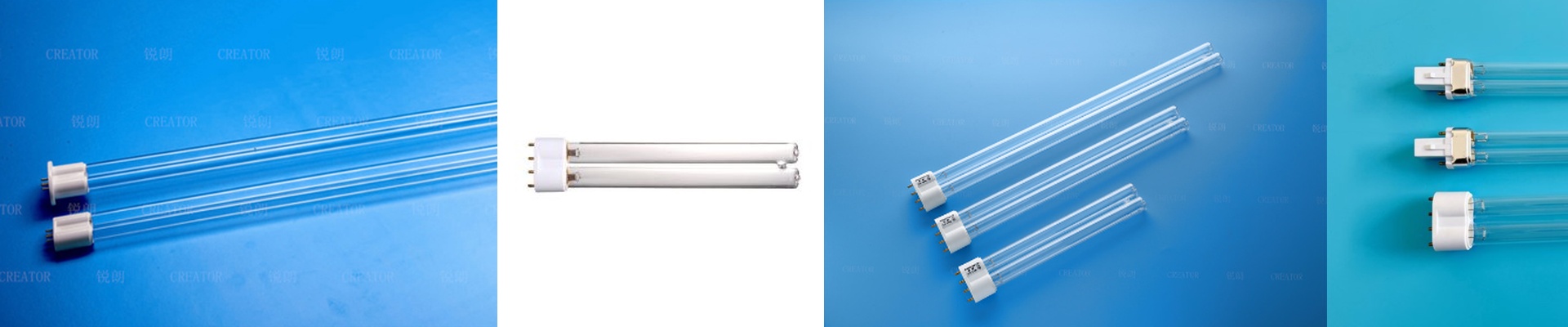
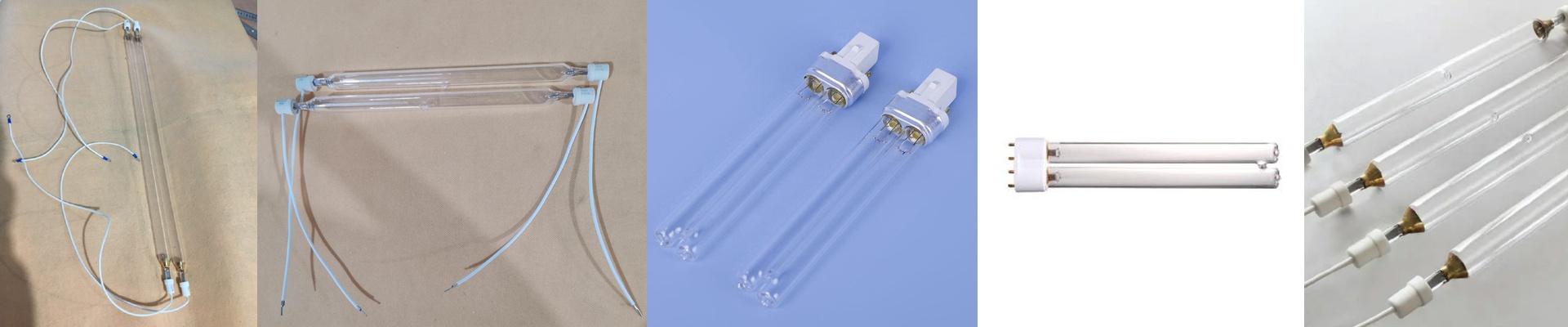
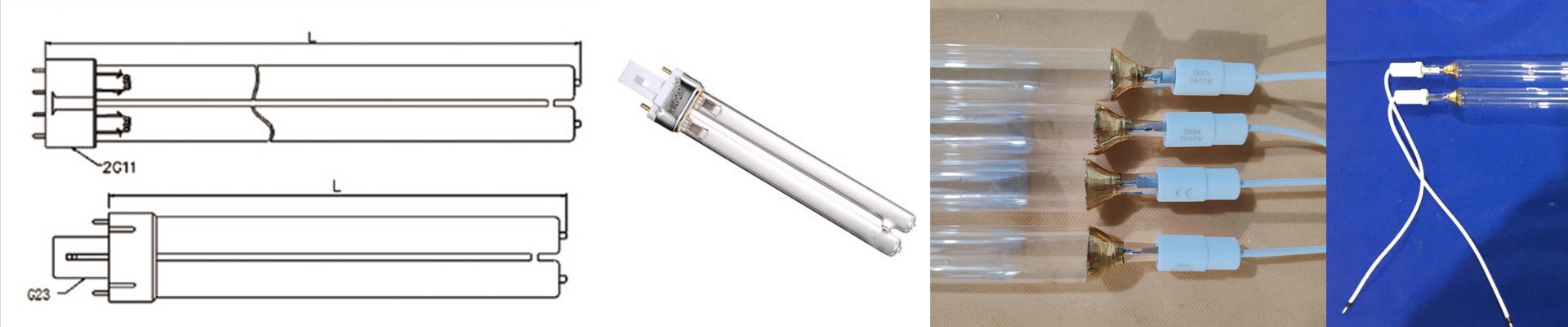
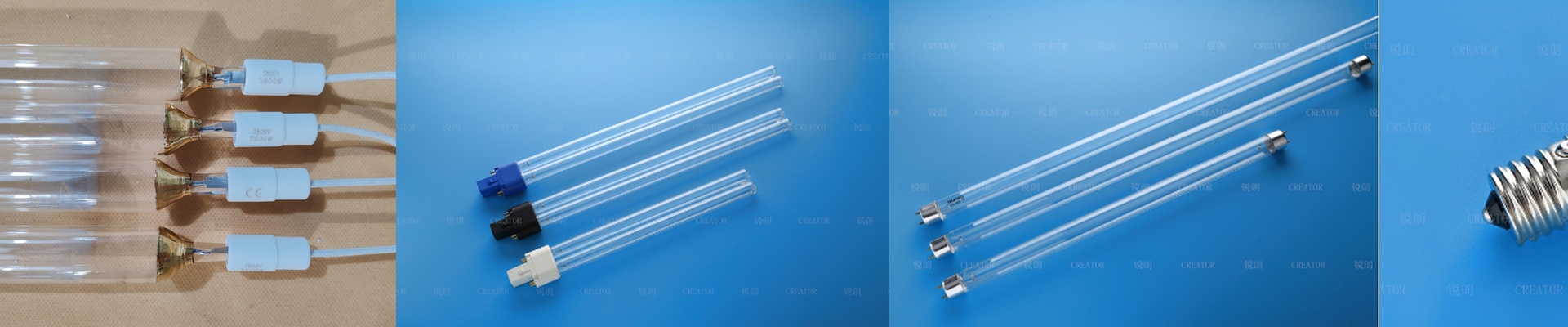
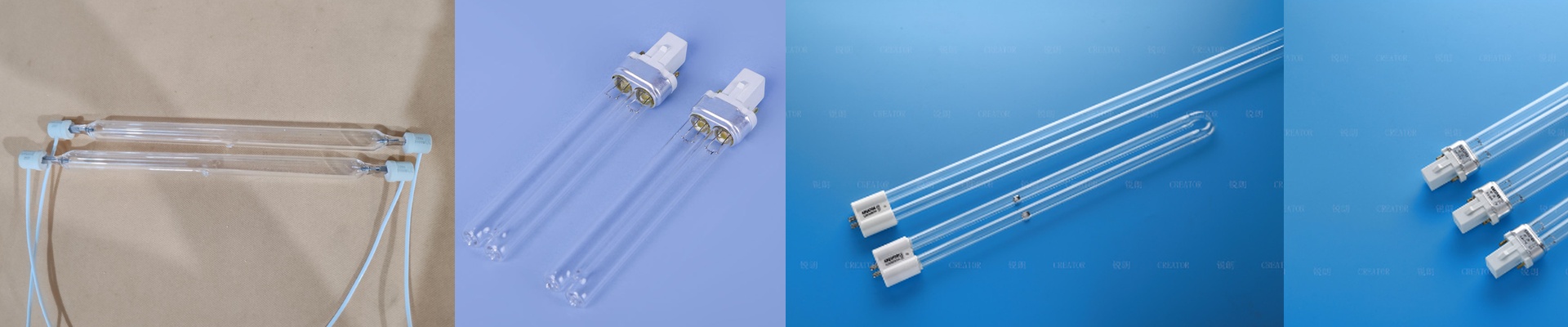
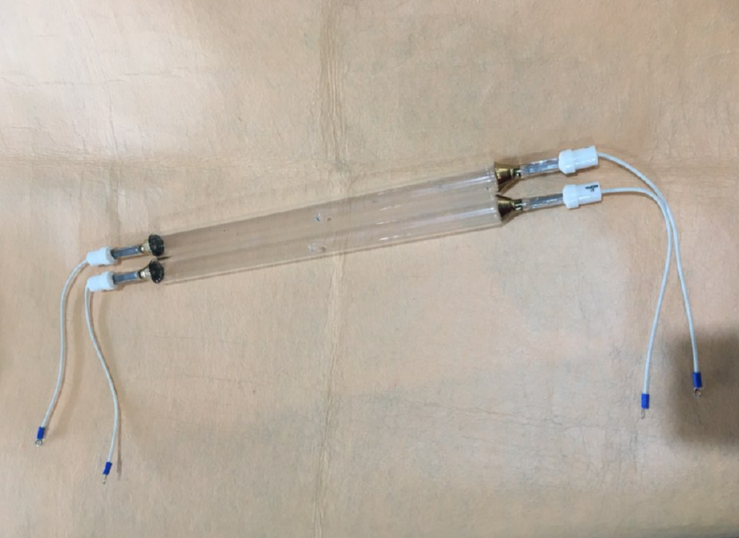
We spent some time visiting about 3,000 different printing plants. A lot. And we noticed a pattern: most standard UV lamps just aren’t built for the real world. They don’t account for the actual heat your machines kick out or the breakneck speed of a high-volume press. So, we stopped looking at catalogs and started building lamps based on how your shop actually runs. The balancing act: Power vs. Heat Here’s the thing about UV systems. It’s all a trade-off between wattage and your curing window. If you try to cram too many watts into a short tube just to keep up with a fast line, you’re asking for trouble. You’ll either fry the lamp or scorch your product. We don’t guess. We look at the specific photo-initiators in your ink and spec the voltage and wattage to match. And if you’re pushing high-intensity output, you need a serious cooling jacket. Without it, your lamp life just plummets. It’s that simple. The little things that matter Not all quartz is created equal. We use high-purity fused quartz because it lets more UV light through and doesn’t snap or fail prematurely. We also make sure the footprint fits your existing reflectors perfectly. Nobody wants a project that requires hours of downtime just to get a new lamp in place. And get this: the gap between the lamp and your product is everything. If you’re off by just 5mm, your curing rate can swing by 15%. It’s a tiny distance, but it’s a huge deal for your quality. Built for the grit of a print shop Print shops are dusty. They’re loud. They’re tough on gear. That’s why we ditched the flimsy connectors. We use industrial-grade sockets so you don’t have to deal with high-voltage arcing. Now, there is a trade-off. More UV output means more power and more heat. You’ll want to keep an eye on your electrical panels to make sure they can handle that initial startup surge. But the goal is simple: we build these things so you can keep your line moving without spending your whole shift swapping out dead bulbs.