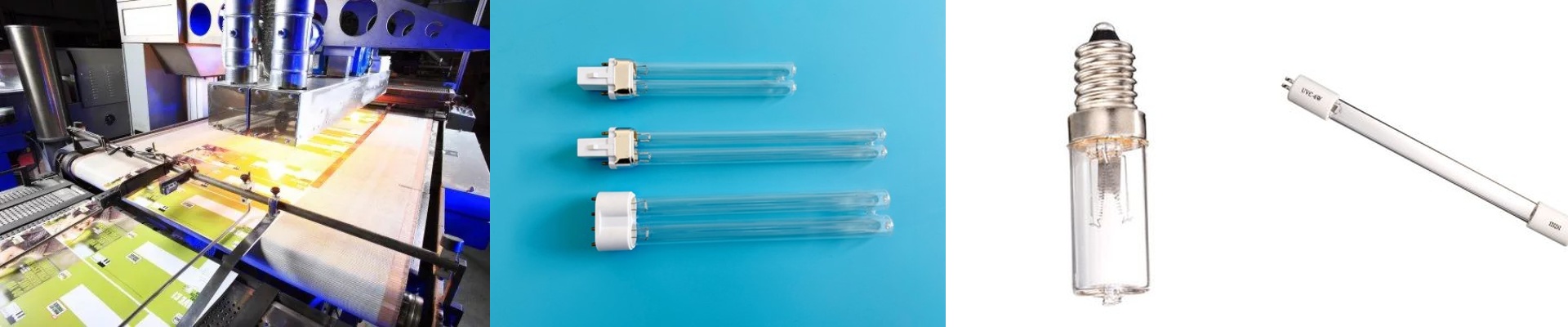
Getting UV Curing Right (Because “Close Enough” Doesn’t Cut It)
Look, we’ve all been there. You think the part is cured, you pull it off the line, and it’s still tacky. Or worse, the top is scorched but the bottom is still liquid. When you’re working with high-performance adhesives or specialized coatings, a tiny shift—like moving from 365nm to 395nm—is the difference between a perfect part and a scrap bin full of waste.
The trick to the right wavelength
We don’t believe in just blasting a substrate with a broad spectrum of UV and hoping for the best. That’s a gamble. Instead, we start with your resin. We look at the photoinitiator you’re using and we tune the lamp to match. By tweaking the gas mixture and the electrode geometry, we hit the exact energy peak your chemical chain needs. It means the cure happens all the way through, not just on the surface.
Built to grow (and stay cool)
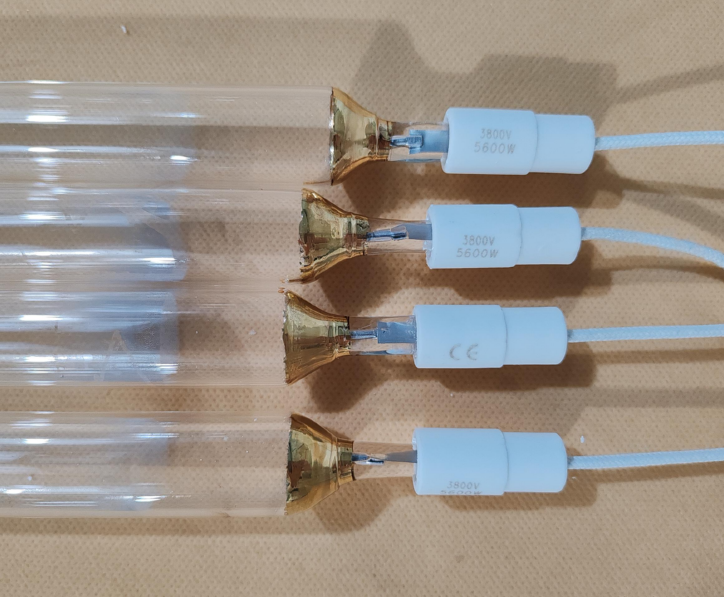
We use a modular chassis for a reason: your needs change. You can scale up your footprint without having to rip out your entire line and start over. Each module is a self-contained package with the lamp, the reflector, and the cooling gear. We use high-purity quartz envelopes because we want every single bit of that UV light getting where it needs to go. But here’s the catch: high-intensity UV creates a ton of heat. If your cooling isn’t dialed in, the lamp temperature spikes and your spectral output starts to drift. It’s a constant trade-off. You want higher wattage for faster line speeds, but that puts a lot more stress on your chillers. To keep you from burning out your tubes, we build in sensors that monitor everything in real-time.
Making it work on your floor
These systems are designed to be drop-in replacements for those old, clunky mercury-vapor setups. If you switch to our modular LED or plasma systems, you can forget about that annoying warm-up time. You just wire it into your PLC, set your intensity, and you’re in production. Plus, it clears up a lot of room on your shop floor. And the best part? You stop dealing with the hazardous waste that comes with traditional UV lamps. It’s just cleaner. Simple as that.