Getting Your Industrial Curing Right with Gallium Iodide UV Lamps
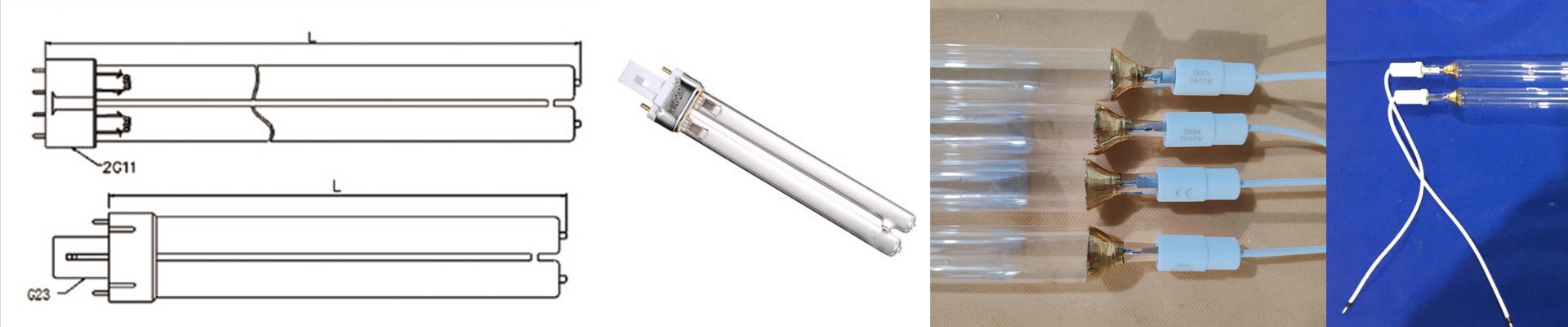
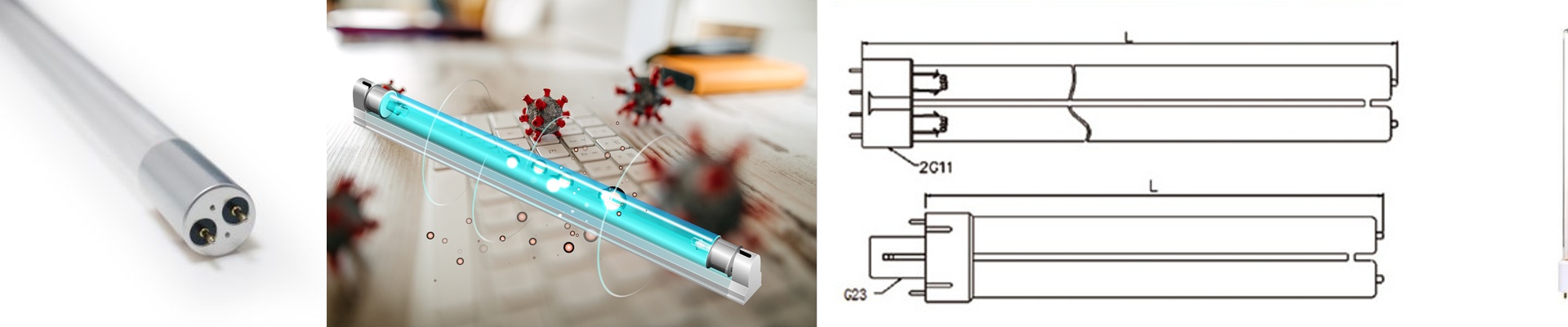
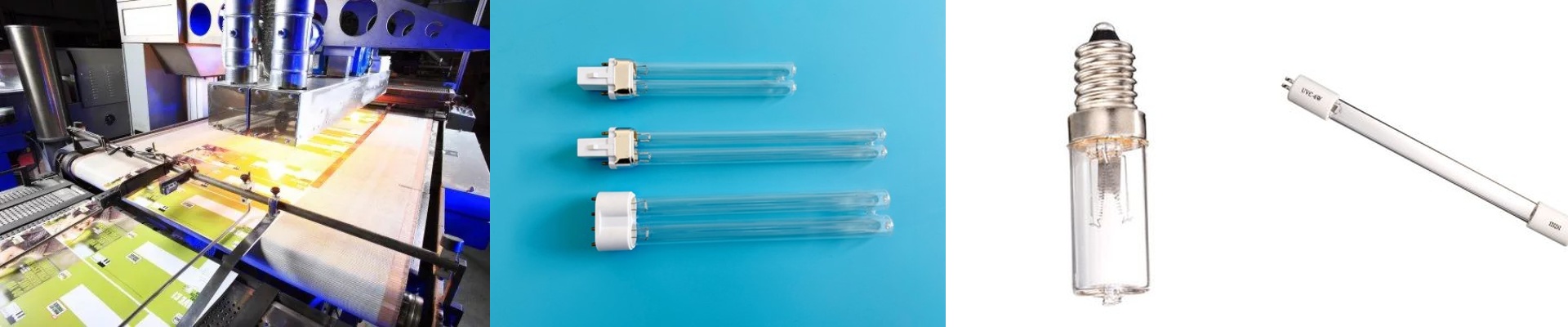
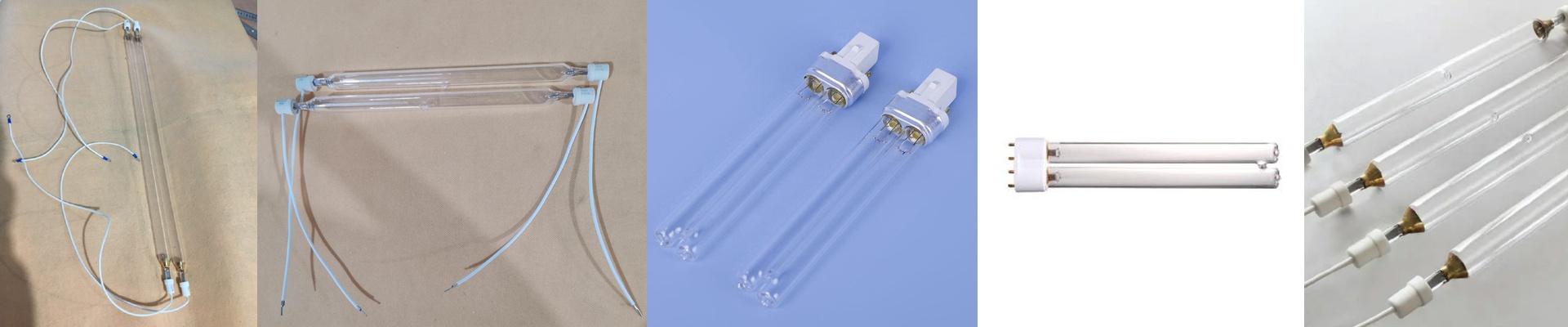
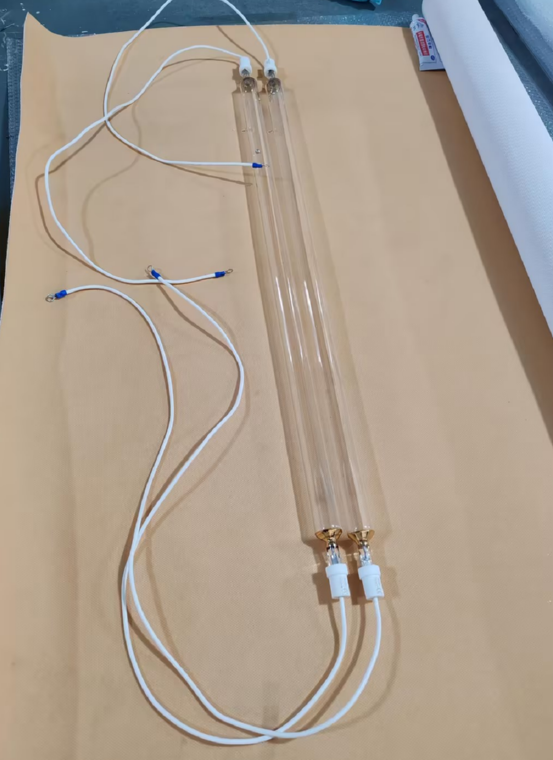
If you’ve ever struggled with thick coatings or stubborn polymers that just won’t cure, you know the frustration. Standard mercury vapor tubes are great, but they have a limit. They can’t always punch through the deep layers where you actually need the light to hit. That’s where our Gallium Iodide (GaI) lamps come in. We’ve shifted the spectrum toward the longer wavelengths—usually peaking between 300nm and 350nm. It’s a subtle change in physics, but it makes a massive difference in how the resin actually sets. The secret is in the mix. We blend gallium and iodine very carefully to hit those specific UV-A and UV-B peaks. But here is the thing: we don’t just dump the gas in. We obsess over the fill pressure. If we get that wrong, the tube burns out the moment you hit it with a high-current load. One heads-up, though. These lamps runhot. Much hotter than your average UV tube. If your cooling fans are old or underpowered, that quartz envelope is going to stress and eventually crack. Make sure your airflow is up to the task before you flip the switch. Why we do it differently Most people buy these through three different middlemen, and the price climbs every time the box changes hands. We decided to just do it all ourselves. From the quartz tubing to the gas filling and the iodide purification, it’s all under one roof. It keeps the cost down without cutting corners on the lifespan. We don’t use generic fillers, either. Every single tube gets vacuum-tested. We check the pinch seals religiously because a tiny leak is the difference between a lamp that lasts and one that dies in a week. Putting them to work We designed these to be drop-in replacements. You shouldn’t have to rebuild your entire array just to upgrade your light source. If you have a weird footprint, just let us know—we can tweak the length and the end-caps to fit your specific setup. Just a quick tip on the wiring: double-check that your ballast matches the strike voltage. If they aren’t in sync, you’ll deal with annoying flickering or a significantly shorter lamp life. These things are built for the grind of 24/7 production lines. We focus heavily on the seal integrity so they can handle the constant heating and cooling cycles without losing their gas. It just works.