
When Your IR Tubes Finally Start Talking Back
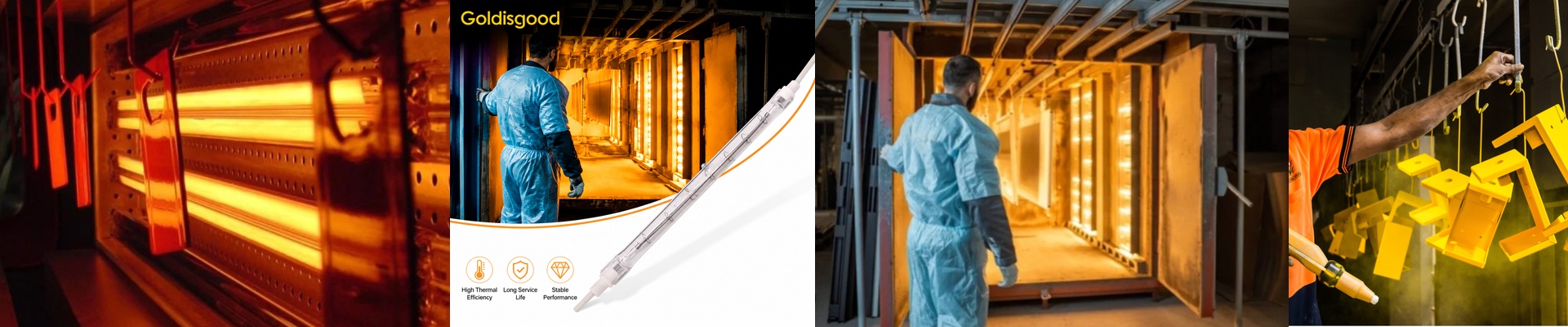
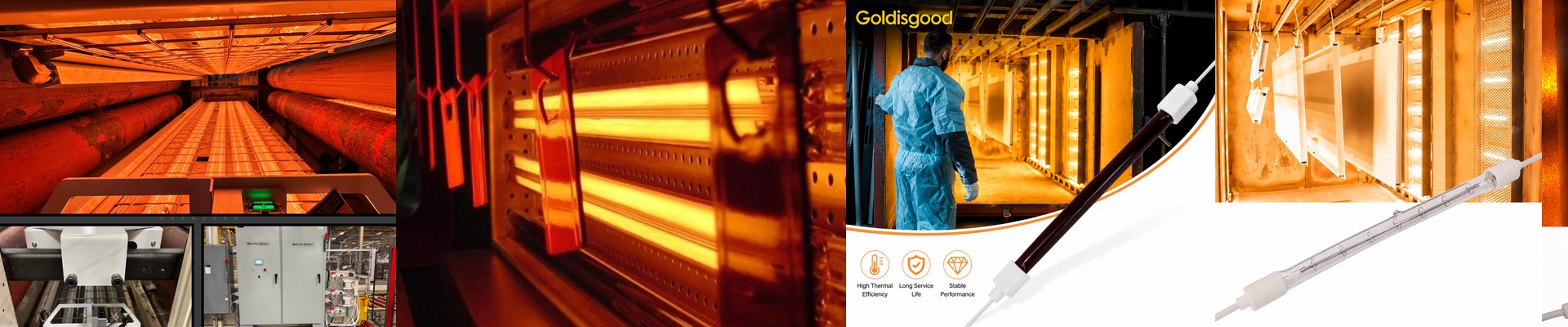
For a long time, infrared lamps in metal finishing have been pretty mindless. You plug them in, they get hot, and you wait for them to burn out. It’s a “set it and forget it” deal—until something goes wrong. But things are changing. We’re moving toward a world where these tubes actually tell you how they’re doing. By putting IoT sensors right into the heating array, the lamps can basically “speak” to the PLC, reporting their actual heat output and electrical health in real-time. Stop guessing, start knowing. Most coating lines are just guessing. They use external thermocouples to try and figure out the surface temperature of a part, but there’s always a lag. It’s like trying to tell if a stove is hot by feeling the air around it. With smart sensors built into the housing, we can track the actual power draw and see exactly when a filament starts to fade. You get a direct look at the heat flux. If a tube starts losing steam, the system catches it before the part leaves the oven under-cured. No more staring at a pile of scrap and wondering where it went wrong. The heat problem. Now, you can’t just slap a computer chip next to a quartz envelope running at 1000°C. That’s a recipe for a meltdown. To make this work, we have to use specialized heat shielding and high-temp cabling so the signals don’t drift or fry. Sure, it makes the initial setup a little more involved. But the payoff? Massive. You stop replacing lamps just because the calendar says it’s time. Instead, you replace them because they’re actually worn out. Better for the planet (and your wallet). Here’s the best part: this cuts out a lot of waste. Usually, people run their lines at 110% just to be “safe” and make sure everything cures. It’s a huge waste of power. With smart tubes, you can tune the heat to the exact thickness of the coating. You stop heating the air and start heating the part. Your energy bills go down, your carbon footprint shrinks, and the whole process just feels… tighter.